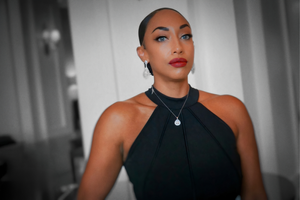
Being an Opera Singer Is Easy. Collaborating With Composers Is a Completely Different Story.
Being an Opera Singer Is Easy. Collaborating With Composers Is a Completely Different Story.
People are often surprised when I say this, but it’s true: being an opera singer is the easy part.
Years of training condition you for discipline, repetition, structure, and personal responsibility. You show up. You do the work. You know what excellence requires of you, and you execute it. That part, while demanding, is straightforward.
Collaboration is where things become far more complex.
Since founding Queen of Opera, I’ve had the opportunity to collaborate with a wide range of creatives—amateur musicians, professional composers, film directors, and award-winning filmmakers. Each collaboration has taught me something different, but the lessons that matter most tend to repeat themselves.
Communication is everything.
Talent does not replace clarity. Creative alignment does not eliminate the need for direct, sometimes uncomfortable conversations. Expectations, timelines, ownership, roles, and goals must be discussed early and revisited often. When communication is vague, assumptions fill the gap—and assumptions are where collaborations break down.
Paperwork matters more than people want to admit.
If a collaboration is intended for professional distribution, documentation is not optional. Agreements protect everyone involved. They don’t diminish trust; they formalize it. One of the most common mistakes I see artists make is avoiding paperwork in the name of “keeping things friendly.” In reality, professionalism is what preserves relationships long-term.
Don’t take yourself too seriously—but do take the work seriously.
There’s a difference. Creative work requires humility, humor, and perspective. When egos enter the room unchecked, progress slows. When curiosity leads instead, collaboration becomes enjoyable. I’ve learned that the best creative environments are built by people who care deeply about the outcome but don’t need to dominate the process.
Flexibility is a skill classical singers must actively develop.
Opera training rewards precision and structure. That discipline is invaluable—but it can also make collaboration difficult if rigidity replaces adaptability. Creative partnerships are human relationships first. They require listening, compromise, and the willingness to adjust without losing your core standards.
Know your worth without hardening yourself.
This balance is one of the hardest lessons. You can be kind, open, and collaborative without undervaluing yourself. You can protect your interests without becoming guarded or cynical. Early in my journey, I encountered individuals who did not have my best interests at heart and took advantage of my goodwill and inexperience. Those experiences were painful, but they were also instructive.
You cannot fully protect yourself from being disappointed by people. What you can do is learn discernment without closing yourself off to meaningful partnerships.
And those partnerships do exist.
Some of the most rewarding professional relationships I have today were built slowly, through mutual respect, shared standards, and consistent communication. They’ve produced work I’m deeply proud of and collaborations I continue to value, not just creatively, but personally.
That, to me, is the real reward of collaboration done well.
If you’re curious to hear the results of these partnerships, I invite you to listen to my work wherever you stream music under Queen of Opera.
~ ♛